We read this article over on 166 Photography and were bowled over by its refreshing honesty and helpfulness. It’s kind of alarming how none of the wedding media seem to prioritise mental health in their messaging, and that needs to change. Studies have found that 70% of engaged couples or newlyweds described the process of planning a wedding as “extremely stressful”, and identified the top 5 emotions while planning a wedding to be:
- Excited
- Happy
- Stressed
- Overwhelmed
- Anxious
So let’s start by saying if you’re feeling any of this, you are far from alone. Wedding planning puts our mental health under pressure, and most couples go through some or all of this. And that’s ok.
This blog will show you ways to prioritise your mental health during wedding planning, allowing you a little space to enjoy the planning experience and look forward to your big day.

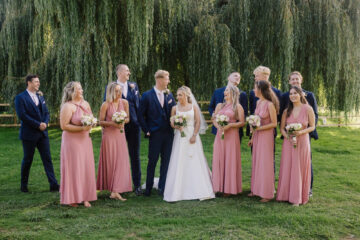
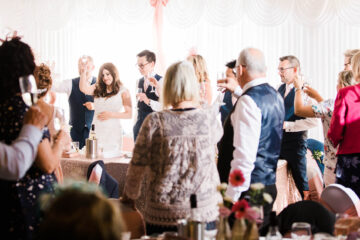
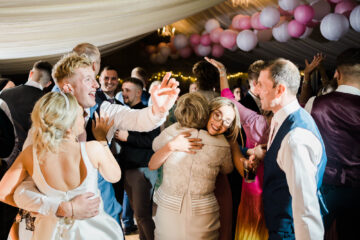
All images in this blog post are by Carl at 166 Photography in Lincolnshire
Carl at 166 Photography spoke to Jonathan from Garden Room Counselling for this article. Jonathan owns the beautiful intimate Lincolnshire wedding venue The Elm Tree, and is a trained counsellor and mental health specialist.
Wedding planning isn’t easy
Be kind to yourself and remember it’s okay to feel overwhelmed. Planning a wedding is a big deal. It’s normal to feel a range of emotions that impact your mental health. It’s almost like adding another full time job on top of everything you’re already juggling in life. And that’s hard – so set realistic expectations for yourselves – you’re only human.
You might feel like everyone is watching and waiting to hear all about your big day. With worries about your loved ones’ opinions of your wedding, and that oh-so-subtle pressure from every wedding blog and social platform showing you their perception of “perfect” weddings, it’s easy to see why so many couples are majorly stressed out by wedding planning.
From the outside, it seems everyone else just sees the “happy and exciting” side of wedding planning – so you might worry about what they’ll think if you show any sign of frustration or upset during the process. You shouldn’t have to bottle those negative feelings up inside.
Jonathan says instagram and Pinterest can mean people lose sight of the most important things. “Social media pressures can leave people feeling they ‘have to’ or ‘ought to’ do something; they see what in their eyes is this perfect wedding, whilst they are forgetting the fact that the most important part of their own wedding is the union of two people.”
It’s normal to feel stressed, anxious or depressed about wedding planning
I’m guessing everyone’s told you how exciting planning your wedding will be… but I wonder if even one person’s asked how you’re feeling? If no one asks about your mental health, you might assume it’s not normal to be feeling overwhelm, anxiety or worse. But it really is. You shouldn’t have to hide your feelings – and you don’t have to.
From the initial excitement of saying ‘yes’ when you agree to marry each other, stress triggers can come rushing at you pretty fast. Looking into wedding logistics with dates, venues, suppliers and finances can cause major overwhelm. It’s not uncommon for a sense of dread to creep in – what if something goes wrong? What if we choose the wrong venue / photographer / time of year?
Without meaning to, friends and family can overburden us with well-meaning (but unsolicited) advice. Too many opinions can lead to overwhelm (and arguments). Jonathan has this advice:
“People, family and friends, are not mind readers; they might notice that you are getting stressed, but help them understand what it is like for you right now. Rather than them telling you what you need to do, ask them to use phrases such as ‘What is it you need right now?’ Or ‘What would you like me to do?’ Rather than them giving you more instructions and therefore contributing to the feelings that you are out of control, instead, it makes you feel supported.”
The hardest parts of wedding planning
Guest lists are a gateway to family political dramas, and can often lead to upset or arguments. Talk through who to invite as a couple, before even mentioning your guest list to family and friends. Standing strong together on this will serve you well.
Carl says, “I wish there was some magic formula here. A simple couple of paragraphs in this blog post that will solve your dilemmas. Unfortunately, there isn’t. Not inviting people to weddings can lead to arguments and upset… The best advice is to be mindful of others’ feelings but be assertive. If your family has ideas of who you should invite, you should find time to sit down as a couple and talk with them.”
Guest lists are more than just a list of names: they’re the key factor in how much your wedding will cost – and budgets are one of the hardest aspects of wedding planning. Especially during the current cost of living crisis, weddings can take up a huge chunk of your earnings or savings – and this affects all the non-wedding things in your lives. It’s natural to worry, it’s normal to argue, and it’s ok for either or both of you to struggle with financial stress.
How to spot the signs of stress
There are 3 key warning signs that you may be suffering from stress when planning your wedding:
Physical symptoms: headaches, muscle tension, fatigue, changes in appetite or sleep patterns.
Emotional symptoms: anxiety, irritability, or depression. These symptoms aren’t always easy to spot, but if you’re procrastinating, or dreading wedding planning tasks, this could be why.
Behavioural symptoms: avoiding social occasions so you don’t have to do wedding chat, drinking more as a coping mechanism when you’re planning.
Perhaps reading this will help you recognise these signs early and look after yourself (and / or your partner). Consider taking a planning break or talking with a close friend or family member. You may even want to speak with a neutral third party, such as a counsellor.
“I always say to my clients, notice what changes are happening within the body” Jonathan says, “sadly no behaviour is isolated and there is always a reason for it.”
“Are you struggling to concentrate? Are you becoming more snappy or irritable? Do you find it hard to sit still and become more restless? Are you lacking in energy? Feeling yourself getting more headaches? Are you feeling sick or lacking in appetite? All of these can indicate you are starting to struggle and it is really important that you notice these changes and try to act before they become overwhelming.”
Can you minimise the stress of wedding planning?
The things that happen can be out of your control, but there are some simple but powerful ways you can help yourselves.
Practice Mindfulness (make this a regular thing – try apps like Calm or Headspace)
Turn off Insta (because it’s full of high-budget, picture perfect and unachievable wedding inspiration – and too much can be a bad thing.)
Plan Non-Wedding Time With Your Partner (Remember why you’re getting married – a little perspective goes a long, long way)
Talk to Someone (perhaps someone who isn’t invested in your wedding, or a professional)
“If you are feeling the joy and happiness of planning the wedding is ebbing away, then talking to a neutral party can always help. As with all therapy the importance of a relationship is key – you have to feel comfortable. Remember, nothing is ever silly or daft. If it is bothering you then it is important!
“There is a great directory of therapists called counselling directory – does what it says on the tin! On here you can find therapists that are near to you and you can usually have a free initial chat with them before starting to see if they are going to be the right fit for you!” ~ Jonathan
How to mentally prepare for your wedding day
Before Your Wedding Day
1 Talk With Family Members About Their Behaviour
If you are concerned about the behaviour of a family member, sit down and talk with them. Be honest and open and tell them why you are worried. Communication can really help.
2 Have an Anxiety Action Plan
Have an ally who understands – it could be your partner, sibling or friend. Together, come up with an action plan for if you do become overwhelmed. (A way to escape for 5 minutes of peace if you need it, or a little hug and a quiet “you got this”)
3 Drink Plenty of Water & Eat Good Food
Your body needs clean, healthy fuel! Hydrate and nourish yourself with 5 a day good stuff.
4 Limit Alcohol the Night Before
You want to wake up feeling good – a hangover isn’t a good idea before a 16+ hour wedding day!
On Your Wedding Day
1 Make Time for Breakfast
Something to kick-start your metabolism will help your physical and mental well-being, preparing you for the big day ahead.
2 Stay Hydrated
You can’t go wrong with water! Don’t overdo the Prosecco or pre-wedding beers! Save them for later – you’ll be glad you did.
3 Breathe
Familiarise yourself with some breathing techniques to calm you when overwhelm or anxiety strike. Check out the technique for box breathing on Carl’s blog post here.
4 Make time for Mindfulness
If you have been practising mindfulness on the run-up to your day, taking 5 mins in the morning can be a powerful way to help reduce on-the-day anxiety.
5 Spend a little time together
Weddings go by in a blur. So many couples we’ve featured on English Wedding say they took a little time out, just for the two of them, and they were so glad they did. Your photographer can be your ally here, if you need someone to whisk you away from the party.
YOU CAN DO THIS!
Remember, it is OK for you to feel overwhelmed and anxious when planning your wedding.
You can do this and we promise you, your wedding day is going to be amazing! Both before your wedding, and on the day, take time for your mental health and be kind to yourselves – both of you.
Here are Carl’s six top tips for looking after your mental health when planning your wedding.
- Remember it’s OK not to be OK.
- Listen to your body.
- Be assertive and communicate well.
- Take a break from social media.
- Drink water and eat well.
- Almost every couple feels uncomfortable having their photo taken (even those who say they don’t) – and that’s ok!
And if something goes wrong? Nobody will notice and it will not ruin your day. Practice your inner Elsa and let it go.
We wholeheartedly recommend reading Carl’s original article about wedding planning stress – there’s much more in there to help you. Share it with your partner too – talking to each other about the stress of planning a wedding is an important first step.
It’s really important to us at English Wedding that we feature REAL couples, REAL celebrations and achievable, real-life wedding inspiration. We like to balance all the out-there ideas and alternative, opulent inspiration with a reassurance that EVERY wedding is beautiful. Sophie and George chose a very traditional day with classic styling touches, and celebrated with a reception at Batemans Brewery. They chose Lincolnshire wedding photographer Carl at 166 Photography to capture their day, and it’s all kinds of wonderful.

Wedding photographer’s website
Wedding photographer review
Carl and Lisa were absolutely brilliant. We are so pleased with all of our photos. I can’t recommend them enough.

Your best moment or memory
It’s got to be our first dance- it was just amazing! No one left the dance floor after that.
Venue name + review
All Saints Church, Friskney Reception was Batemans Brewery, Wainfleet All Saints in a marquee. Jacqui and her team made the day run so smoothly from start to finish. The venue is perfect for weddings or for any celebration. The gardens are perfect for wedding photos!

Tell us a little about your outfits – both of you!
Both very traditional. George wore a navy 3 piece suit and I wore a classic A -Line gown with a bit of sparkle of course!
Dress or suit shop name + review
Jayne’s Bridalwear, Lincoln and Coney’s Designer Wear, Boston
Florist name + review
Sarah’s the Florist, Skegness
Cake maker name + review

Sharon’s Novelty Cakes, Hogsthorpe, Skegness. We loved our cake! We had a 3 tier cake, all different flavours and a separate fruit cake. It was all delicious.
Any crafty projects or homemade styling touches?
I (Sophie) made all of the invites by hand while I recovered from a broken ankle! We decorated the marquee ourselves.
First dance song? Playlist recommendations?
Can’t take my eyes off you- Frankie Valli
Hair + makeup name + review
Mavericks Hair Salon, Skegness. The team at Mavericks are always so welcoming. Myself and all of my bridesmaids can agree that they were all very organised while we had our hair done. They did everything we asked for and we couldn’t have been happier.

A brilliant guest blog by Lincolnshire wedding photographer 166 Photography
When it comes to speeches on a wedding day, most of them are traditionally from the male perspective. The standard format for wedding speeches is: the father of the bride, followed by the groom’s speech and ending with the ritual humiliation that is the best man’s speech. Women’s voices rarely feature.
But, what about the bride?
How does a bride’s speech fit into the day? Well, like many wedding traditions (let’s not get started on the word obey in vows!) things are changing. More and more brides are looking to give a speech at their wedding. And of course, not every wedding has a groom! But what should you say? What should you avoid? And where in the speeches should it happen? Read on and let’s answer some of those all-important questions and help you deliver an amazing bride’s speech on your wedding day.

All images in this article are by Lincoln wedding photographer 166 Photography
WHY GIVE A BRIDE’S SPEECH?
The simple answer is because you want to. A bride’s speech can help create a more balanced and inclusive atmosphere to the speeches. It gives that all important female perspective and allows the bride to share her personal appreciation for her bridesmaids and her family in planning the wedding day and of course her spouse.
A bride will always have a different journey through the wedding planning to the groom and this should be celebrated too. There may be some people who have been instrumental in helping with the wedding that the groom may not mention in his speech and these people deserve to be thanked in front of everyone.
One of the nicest things about giving a bride’s speech is that it allows the bride to show her love for her spouse. It is lovely to hear how much you mean to someone else, but to see their face when you let them know how much they mean to you is priceless.
WHAT TO INCLUDE (& WHAT TO POSSIBLY AVOID)
The traditional format of a groom’s speech will be to thank the bridal party, thank both sets of parents and then show his love for his spouse. It is a good starting point for a bride’s speech too, but don’t forget to add your own spin to things, otherwise, your guests may feel like they are just hearing the same speech twice.

The key thing is that you don’t want to say the same thing as your husband or wife. Typically the bride’s speech will be immediately before or after the groom’s speech – if you’re two brides, your speeches can be one after the other, or together. Rather than simply thanking the bridal party you have the opportunity to express how much they mean to you. You can tell the stories about how they helped in the lead up to the big day, or how they have always been there for you. One of you can cover the thanks to your bridesmaids, the other should cover your love for them.
This brings me to the main thing to avoid. Be careful about including too many in-jokes or stories that will only resonate with a few people. Remember your speech is for everyone and so it’s best to save those in-jokes for the wedding morning when you can all enjoy them. This also goes for embarrassing stories (no matter how much romance there may be within them). They may be hilarious, especially in the right company, but some stories may not be suitable for the audience you will have in front of you.

BE YOURSELF (everyone else is taken)
I cannot express this enough, please don’t try to write a speech that you feel you should make, write a speech that is 100% you. Remember, this is not your GCSE English exam, you are telling those who mean the most to you how you truly feel about them. They want to hear you speak from your heart, so make sure you do just that.
You may want to include a quote in your speech. The key thing is that it resonates with you and your partner. It can be easy to look at classic poets or literature. But, if you, as a couple, are more The Simpsons than the poems of Shelley, then you should include a Simpsons quote. Your wedding speech is not the time to show you are schooled in classical romantic poetry, it is a time to tell your partner what they mean to you in a way that resonates with you both. Remember, you want your partner to say “awwwww” when they hear the quote you picked, not “huh??????”
WHEN TO MAKE A BRIDE’S SPEECH.
That is totally up to you. A good way to make it a really special part of the day is for the newlyweds to speak first. The important thing is to plan where you will make your bride’s speech so it doesn’t just feel tacked on to the day.
HOW LONG SHOULD MY SPEECH BE?
A good rule of thumb is to aim for around five minutes. Speeches will take around 30 minutes in total and while it may be hard to stick to five, if you keep it in mind as a goal, you won’t start to wander into the 10-15 minute territory. What I have seen in the past is that when speeches go past 40 minutes, your guests tend to get bored.
SHOULD I HAVE A COPY TO READ FROM?
When it comes to having a copy of your speech on the day, I would tend to suggest cue cards. These are small, stylish and mean that you can’t fill a page with too much information. Whilst it might be convenient, I would never suggest using your phone to read your speech from. We generally associate staring at phones with boredom and that is not something you want to convey to your guests.
I would suggest rather than printing out your whole speech on A4 paper, you have a series of key words and prompts to help you remember your speech. Whilst it is easy to be confident you will remember it, the excitement of the day combined with a few nerves mean this might not be the case. By using a series of prompts and things such as quotes noted down, you will remember everything you want to say, but won’t get caught up in simply reading it out rather than being present in the moment. If you change your speech a little on the day or forget to include something don’t worry, nobody will notice.
HOW TO CALM YOUR NERVES
Most people get nervous when they speak. Even those who have done it hundreds of times. The key is to remember those around you love you and they want to hear what you have to say. Try to avoid staring at your cue cards as you make your speech. Look for someone who helps you stay calm and make eye contact with them. If all else fails, a good technique I learnt from a musician who was always shy about being on stage was to look just over the heads of the audience to a wall behind them. Everyone naturally assumes you are looking near them, but you don’t have to watch for their reactions to your speech. Also be careful of a drink or two to stay calm, it may have the opposite effect.
PRACTICE MAKES PERFECT
The key to giving a great speech is to start planning early and practice regularly. Start with an initial version and don’t be afraid to ask family and friends for feedback. Once you have something that you are OK with, start reading it out loud. Not only will this help you memorise it, but sometimes things sound different when you read them out loud. Keep refining your speech til you are happy with it. Again read it to someone close to you for feedback and then keep practising. It will get easier, even if it doesn’t initially feel like it.
As I said earlier, you will probably make a couple of mistakes on the day. Nobody will care and everyone will be happy to hear what you have to say. Nobody is going to heckle you and your spouse is going to be over the moon to hear you express your love in front of everyone.
I hope you’ve found this guide useful and that if you were debating whether to give a bride’s speech, this has encouraged you to go for it. It’s normal for the thought of this to be a little scary, but you can do it. I am sure it will be the best speech of the day! Good luck!
Further reading: How to be happy making a speech at a wedding
Book recommendation: A modest book about how to make an adequate speech, by John-Paul Flintoff